Will this get my Roblox account banned?
No. Nexus Render does not inject into the Roblox client, modify game files, or read/write game memory. It operates on the display output pipeline at the OS level, which is outside Roblox's anti-cheat scope. It provides no gameplay advantage — only visual enhancement — and thousands of users have run it without action.
What are the minimum specs?
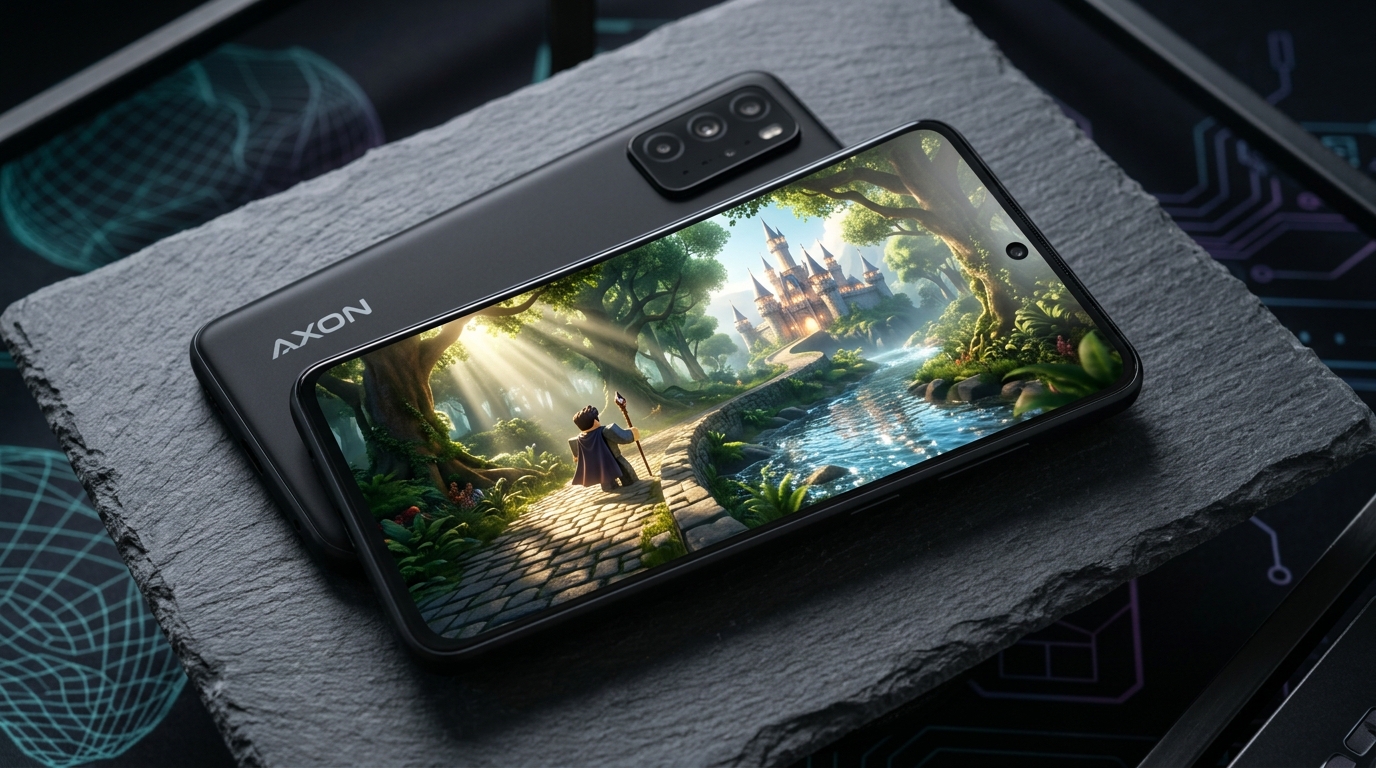
On PC: any system that can already run Roblox — we officially support Intel HD 520 / UHD 620 and equivalent AMD integrated graphics, 4 GB RAM, Windows 10 or 11. On mobile: Android 8.0 or newer with an Adreno 610, Mali-G52 or better and 3 GB RAM. If Roblox runs at 30 FPS for you today, Nexus Render will run.
Does it lower my frame rate?
The neural pass adds roughly 6–9 ms of latency per frame, offset by the fact that it lets you drop Roblox's own render resolution. In practice, most users see the same or better frame rates than before, with a significantly sharper image. The adaptive governor will reduce quality automatically if frame time slips.
Why not just buy a better GPU?
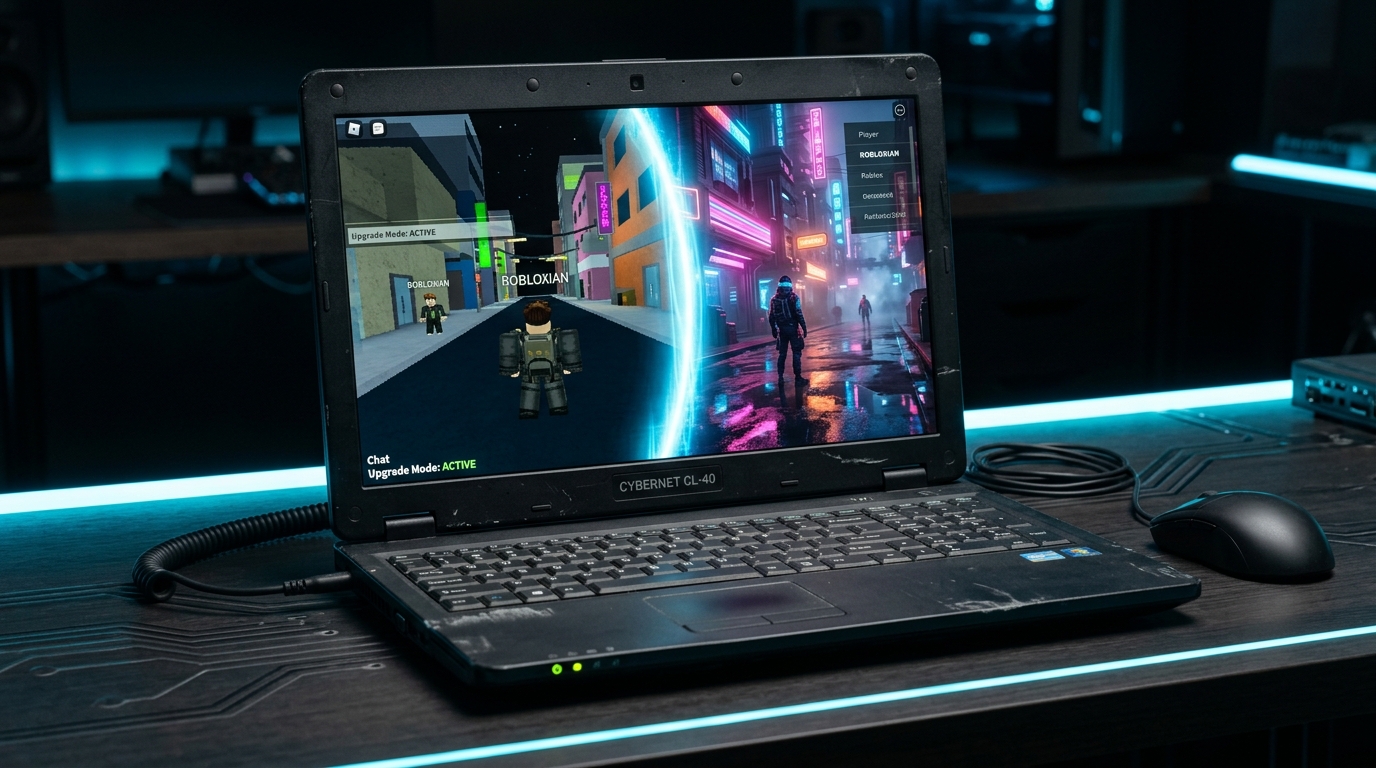
Because most people playing Roblox are on hardware they can't or don't want to replace — school laptops, hand-me-down PCs, mid-range phones. Nexus Render exists specifically for that majority. If you already have a discrete GPU, you're not our user.
Which Roblox games are supported?
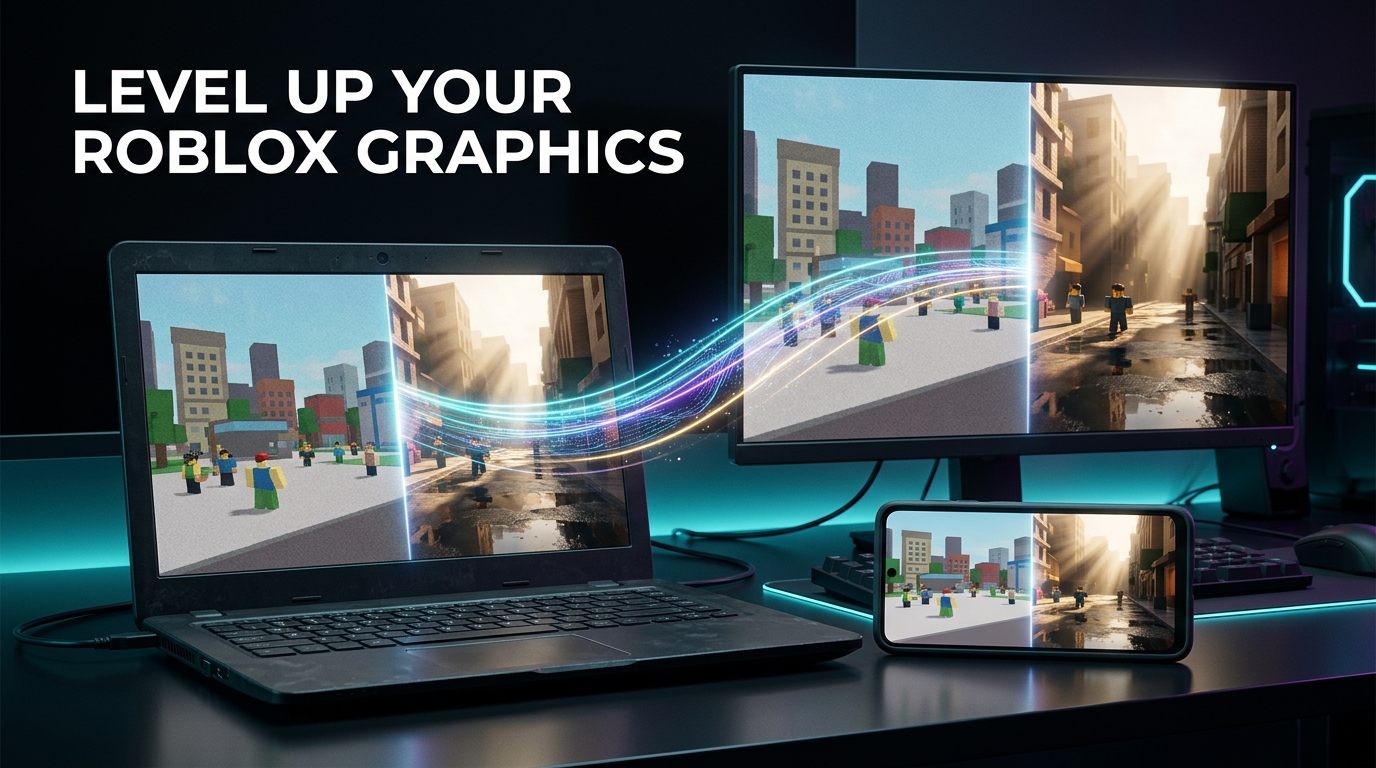
All of them. Because enhancement happens at the output stage rather than per-game, it works universally — from front-page experiences to small indie places. Some games with unusual rendering setups benefit more than others, and you can tune profiles per experience.
How does the free tier differ from Pro?
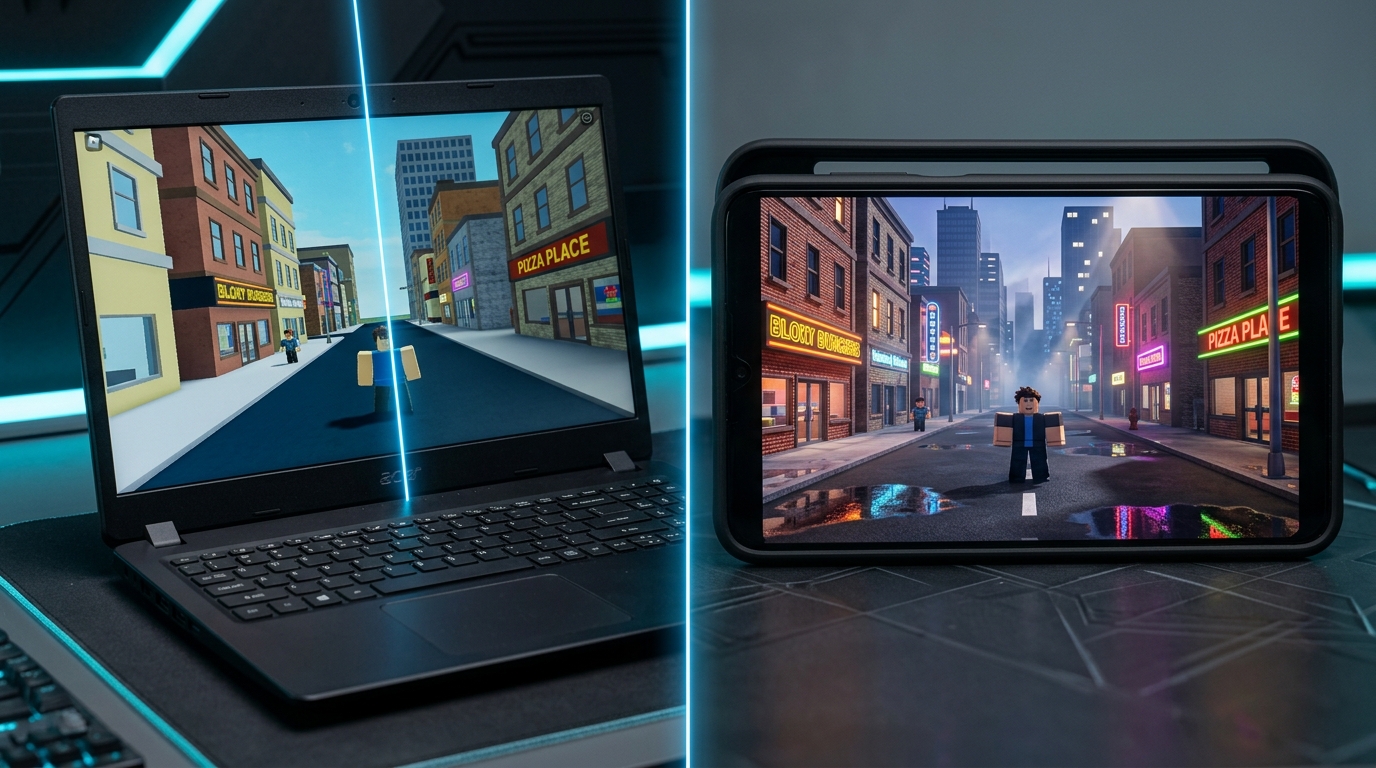
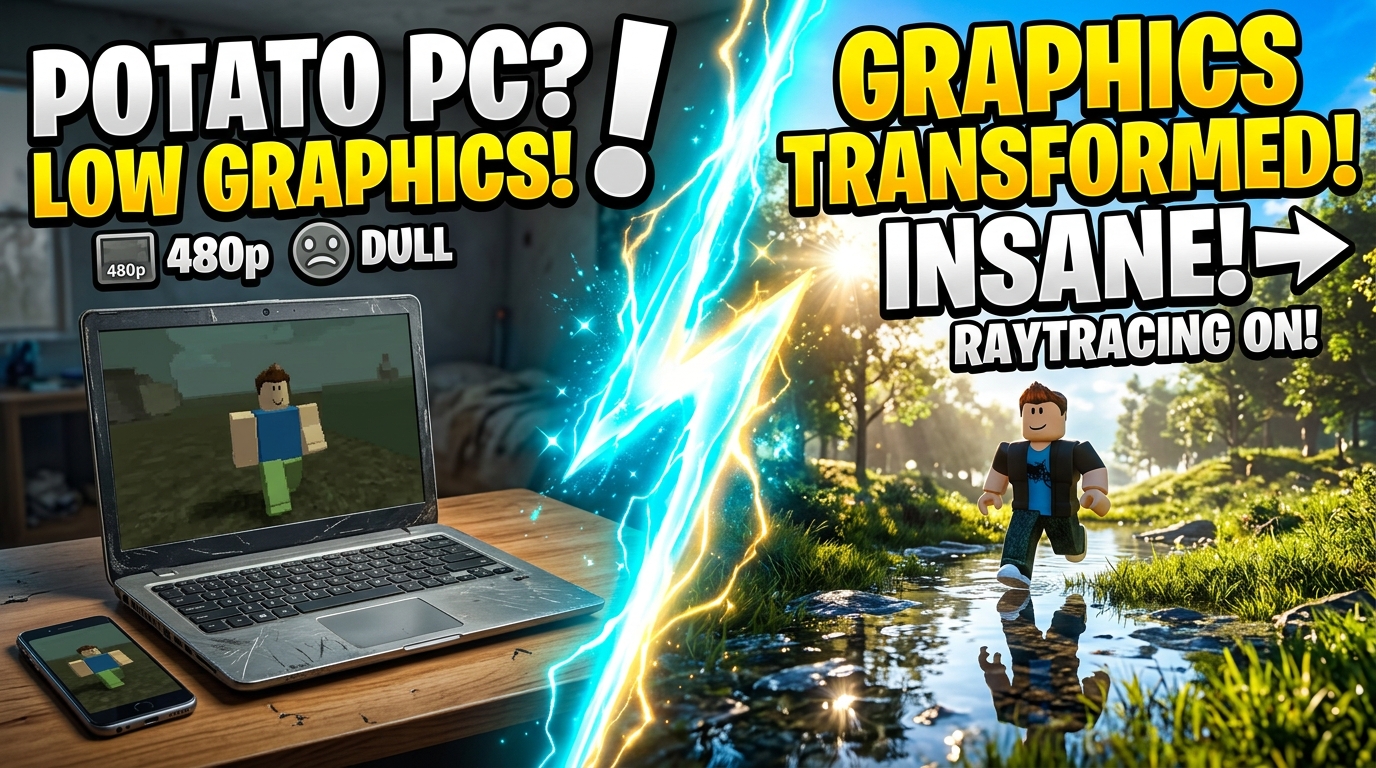
Lite gives you 2× upscaling and basic re-lighting at a 30 FPS target — a clear improvement over default Roblox. Pro unlocks 4× super-resolution, full lighting and ambient occlusion, screen-space reflections, and the 60 FPS adaptive governor. Most users on low-end hardware upgrade for the reflections and 60 FPS mode.